What is Conscious Sedation Dentistry?
Benefits for Anxious Patients
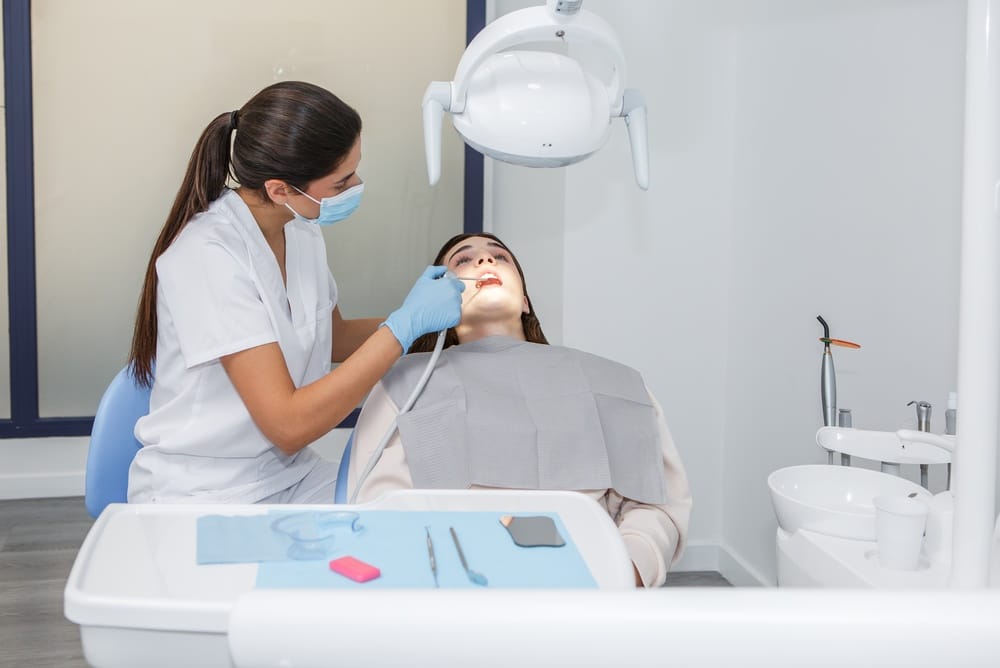
A lot of people put off dental visits for years, not because they don’t know they need care, but because the anxiety feels too overwhelming to push through. Fear of pain, bad memories from past appointments, or simply not knowing what to expect can all make the dentist’s chair feel like the last place you want to be.
Conscious sedation dentistry exists specifically for situations like that. At Southeastern Dental Center, serving patients in Hamilton and Columbus, GA, multiple sedation options are available to match your comfort level and the complexity of your treatment.
This article explains what conscious sedation is, how each type works, who it helps most, and what you can expect at your appointment.
What is Conscious Sedation in Dentistry?
Conscious sedation is a medically guided state of deep relaxation in which you stay awake, can breathe on your own, and remain able to respond to simple instructions but feel far less aware of and distressed by what’s happening around you.
It’s not general anesthesia. You won’t be unconscious, and you won’t need assistance breathing.
Some people call it “twilight sedation” because the feeling sits somewhere between fully alert and asleep. You may feel drowsy or detached, and many patients remember very little of the procedure by the time it’s over. That partial amnesia is one of the qualities that makes it so useful for anxious patients.
Conscious sedation and pain relief are two different things, and both are usually needed. Sedation takes care of anxiety and keeps you from being fully aware of what’s going on, but local anesthetics are still applied to manage any discomfort at the site itself. Together, they cover both sides of the experience.
Types of Conscious Sedation Dentistry at Southeastern Dental Center
Southeastern Dental Center offers three levels of sedation, each suited to different needs and procedures. Think of them as a spectrum, with nitrous oxide on the lighter end, oral sedation in the middle, and IV sedation at the deepest level of what’s available in a dental office setting.
Nitrous Oxide (Laughing Gas)
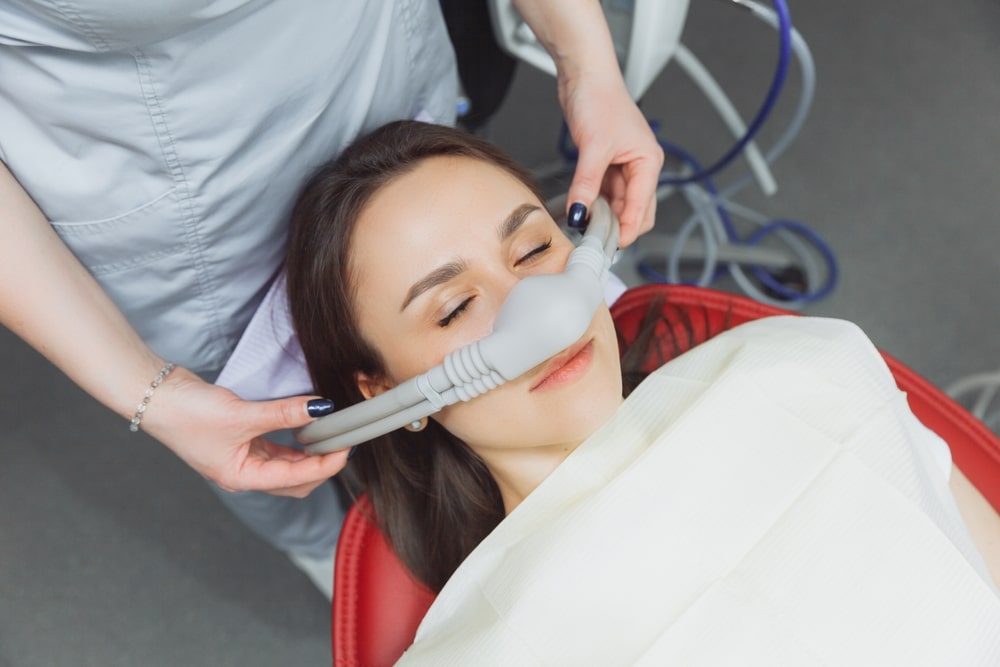
Nitrous oxide is the lightest option. It’s inhaled through a small mask placed over your nose during the procedure and takes effect within a few minutes. Most patients describe a calm, slightly warm, and mildly euphoric feeling – relaxed, but fully alert and in control.
One of its biggest advantages is how quickly it clears your system. Once the mask comes off, the effects fade almost immediately, allowing most patients to drive themselves home afterward.
It’s a good fit for mild dental anxiety, shorter procedures, or anyone who wants just a little support getting through an appointment.
Oral Conscious Sedation
Oral conscious sedation involves taking a prescription sedative (typically from the benzodiazepine class of medications) by mouth about an hour before your appointment.
By the time you’re in the chair, you’ll feel deeply relaxed and likely drowsy. You may doze off at points, but you can be roused and can still respond when needed.
The amnesia effect with oral sedation tends to be stronger than with nitrous oxide. Many patients remember little or nothing of the procedure afterward, which can actually help reduce dental anxiety over time by breaking the cycle of fear reinforced by memory.
No needles are required to administer it, making it a particularly appealing option for people who have anxiety around injections. Because the effects last several hours, you’ll need someone to drive you to and from the appointment, and it’s a good idea to plan on resting for the rest of the day.
IV Sedation
IV sedation sits at the deeper end of what’s available in a dental office setting. Because the sedative goes straight into the bloodstream, it kicks in fast and can be adjusted as the procedure progresses. That gives the dentist a fairly precise level of control over how sedated you are at any point during the appointment.
This option works best for patients with severe dental anxiety, those undergoing lengthy or complex procedures, or people who haven’t responded well enough to lighter sedation in the past. Vital signs are closely monitored throughout, and most patients have little memory of the appointment afterward.
Benefits of Conscious Sedation Dentistry for Anxious Patients
The most obvious benefit is that it makes dental care accessible to people who would otherwise avoid it entirely.
Dental anxiety is extremely common. Scientific studies show that dental fear is a major and well-documented reason for delayed or avoided dental care. Conscious sedation removes that barrier.
Here’s a summary of the key benefits:
- Reduced anxiety and fear: Patients who would normally cancel or postpone appointments are able to get through treatment with far less distress.
- Better tolerance of discomfort: Alongside local anesthetic, sedation reduces how the body perceives and reacts to sensory input during procedures.
- Gag reflex suppression: Sedation reliably reduces or eliminates an overactive gag reflex, a real obstacle for many patients during routine care.
- More efficient appointments: A relaxed patient allows the dentist to work more effectively, enabling multiple procedures to be completed in a single visit.
- Amnesia effect: Limited recall of the procedure helps interrupt the reinforcement of dental fear, potentially making future visits easier over time.
- Close monitoring throughout: Vital signs are continuously tracked, and our team is trained in sedation protocols to ensure a safe, controlled experience.
Who Is a Good Candidate for Conscious Sedation?
Conscious sedation is appropriate for a wide range of patients, not just those with severe phobias. You may be a good candidate if any of the following apply to you:
- You have moderate to severe dental anxiety or a diagnosed dental phobia
- You’ve had a traumatic dental experience in the past that has made you reluctant to return
- You have a strong or sensitive gag reflex that makes procedures difficult
- You need lengthy, complex, or multiple procedures completed in one visit
- You have difficulty sitting still for extended periods, which can include some individuals with certain medical conditions or special needs
- You experience jaw soreness or struggle to keep your mouth open for long durations
Before any sedation is administered, a pre-appointment consultation and thorough medical history review are standard practice. The team at Southeastern Dental Center uses that information to determine which type and level of sedation is the right fit for you as an individual.
What to Expect: Before, During, and After
Before your appointment: What you need to do beforehand depends on the sedation type, so make sure you’re clear on the instructions given to you specifically. Fasting guidelines aren’t universal across methods, so don’t assume. Anyone receiving oral or IV sedation will need a driver for the trip there and back.
During the procedure: Once the sedation takes effect, you’ll gradually feel more relaxed as the procedure progresses. The dentist will carry out the treatment while you are able to respond to basic instructions if needed. You won’t be asleep, but the whole experience tends to feel distant and low-key.
After the procedure: Nitrous oxide clears quickly, so recovery is almost immediate for patients who choose that option. Oral and IV sedation will leave you drowsy for several hours. Avoid driving after either of those, and plan to take it easy for the rest of the day. Care instructions specific to the procedure performed will be provided before you leave, and any concerns during recovery can be directed to our team.

Is Conscious Sedation Dentistry Safe?
Yes, when administered by trained dental professionals with proper monitoring in place, conscious sedation has a well-established safety record. At Southeastern Dental Center, oxygen levels, blood pressure, and heart rate are monitored throughout every sedation appointment, with adjustments made as needed.
Every patient goes through a medical history review and pre-assessment before sedation is approved. Certain health conditions or medications may influence which sedation options are appropriate. That’s exactly what the consultation stage is designed to identify and address.
Patients with severe respiratory conditions, for example, may need additional evaluation before some types of sedation are cleared. The goal is always to match the right sedation option to the right patient.
The team at Southeastern Dental Center brings both training and experience to that process, with a consistent focus on making every appointment as stress-free and pain-free as possible.
Ready to Make Your Next Appointment More Comfortable?
Dental anxiety is one of the most common reasons people put off care they genuinely need but it doesn’t have to stay that way. Conscious sedation dentistry offers options across a spectrum of depth and duration, so there’s an appropriate level of support for virtually every patient’s situation.
If you’ve been putting off a visit because of fear or discomfort, the team at Southeastern Dental Center is here to help you find the right approach.
Explore the full range of options on our sedation dentistry page, or contact our Hamilton or Columbus office to schedule a consultation and talk through what might work best for you.
Frequently Asked Questions
Will I be unconscious during conscious sedation?
No. The word “conscious” in the name is intentional. You remain awake and able to respond to simple instructions throughout the procedure. You’ll feel deeply relaxed and may be drowsy, but you won’t be unconscious the way you would be under general anesthesia.
How long does oral conscious sedation last?
The sedative effects of oral sedation typically last several hours. Most patients feel drowsy for the better part of the day following their appointment, which is why a driver is required and rest is recommended afterward. The medication itself will have largely cleared your system by the following morning.
Is conscious sedation safe for older adults?
Generally, yes, though older patients may metabolize sedative medications differently and may require dosage adjustments. A thorough medical history review, including current medications, is always completed before sedation is approved. Any specific concerns for older patients are addressed during the pre-appointment consultation.
What’s the difference between oral sedation and IV sedation?
Oral sedation is taken by mouth and produces moderate sedation over the course of about an hour. IV sedation is delivered directly into the bloodstream and takes effect much faster, with the added benefit of being adjustable in real time throughout the procedure. Apart from that, IV sedation tends to produce a deeper state of relaxation and is better suited for longer or more complex treatments.
Is conscious sedation the same as being put to sleep?
No. “Being put to sleep” typically refers to general anesthesia, which renders a patient fully unconscious and requires assisted breathing. Conscious sedation keeps you awake and breathing on your own, just in a state of deep relaxation. The two are meaningfully different in terms of depth, administration, and the level of monitoring required.
Can conscious sedation be used alongside dental implant procedures?
Yes. Dental implant placement is one of the procedures for which sedation is commonly recommended, particularly for patients with anxiety or those undergoing more extensive implant work. The Southeastern Dental Center team will assess your specific procedure and medical history to determine which sedation option is most appropriate for your implant treatment.
Related Posts
I’ve Avoided the Dentist for Years. Where Do I Start?
A 2025 study in the Journal of the American Dental Association found that almost 73% of adults feel some fear about visiting...
What Is Dental Erosion and How Can You Prevent It?
Know the signs of dental erosion before it becomes a bigger problem. Discover what causes it, how to spot it early, and how to prevent tooth erosion for good....
Why Do Younger Adults Sometimes Need Dental Implants? Age May Matter Less Than You Think
The American College of Prosthodontists reports that over 120 million Americans are missing at least one tooth. Although tooth loss is more...
Curious About What Actually Happens During a Smile Makeover? We Can Help.
A lot of people hear the phrase “smile makeover” and immediately assume it means a long, expensive, overwhelming process. In reality, the...
Which Dental Implant Option Is Right for You?
Missing teeth affect more than your appearance. Patients also notice changes in the foods they can eat, the way they speak, and...

What Are Your Favorite Sweet Drinks Really Doing to Your Teeth?
Sweet tea, soda, lemonade, iced coffee, maybe something cold from the gas station cooler on a hot day. That’s summer around the...