What Are The Different Types Of Veneers? Options, Costs & Pros and Cons
If you’ve ever wished for a brighter, more even smile, dental veneers might be the perfect solution. They are thin, custom-made shells that cover the front surface of your teeth to improve their color, shape, and alignment. They can instantly transform worn, chipped, or discolored teeth into a natural-looking, confident smile.
There are many different types of veneers available today, including porcelain, composite, no-prep, and temporary ones. Each of them varies in appearance, cost, and durability, so the best choice often depends on your unique smile goals and budget.
At Southeastern Dental Center, our cosmetic team helps patients compare the available materials and treatment options to find the most natural, long-lasting results.
What Are Dental Veneers?
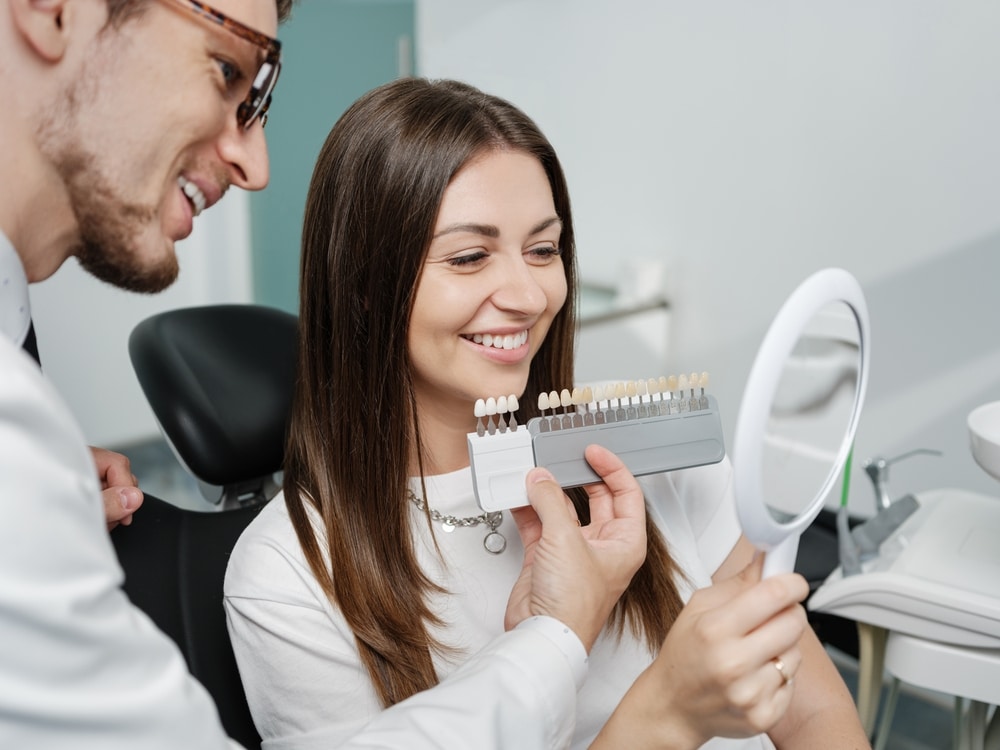
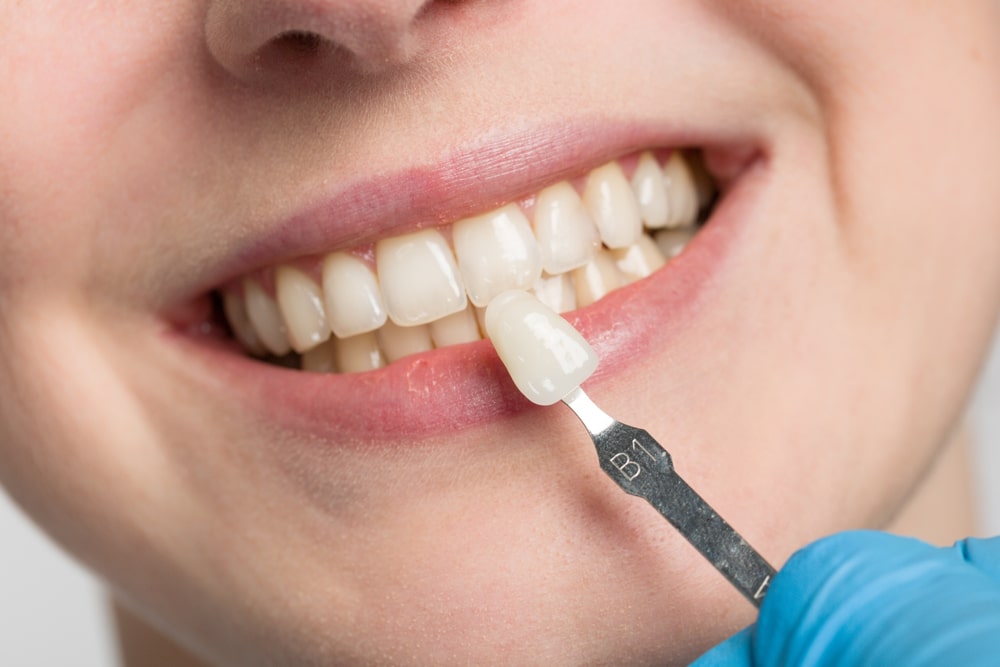
Dental veneers are thin, tooth-colored shells that a dentist bonds to the front surface of your teeth. They’re designed to improve both the look and function of your smile, helping correct chips, stains, minor misalignment, or worn enamel.
Each veneer is custom-made to fit your teeth precisely, creating a smooth, natural appearance that suits the rest of your smile for a fully natural look.
Apart from aesthetic benefits, they can strengthen weakened enamel, protect damaged surfaces, and restore uniformity to uneven teeth.
Veneers have become one of the most popular cosmetic dentistry treatments today because they deliver immediate, dramatic results with minimal discomfort.
At Southeastern Dental Center, patients often choose this procedure as part of a comprehensive smile makeover, combining beauty with lasting protection for their natural teeth.
Transform Your Smile in Southeastern Dental Center
Different Types of Veneers
There are several types of veneers for teeth, each with its own materials, advantages, and price range. The right choice depends on your cosmetic goals, budget, and how much enamel preparation your smile requires.
Quick Comparison Table
| Type of Veneer | Material / Technique | Average Cost (Per Tooth) | Lifespan | Key Benefits |
|---|---|---|---|---|
| Porcelain Veneers | Custom ceramic shells | $800–$2,500 | 10–20 years | Natural look, durable, stain-resistant |
| Composite Veneers | Tooth-colored resin | $250–$1,500 | 5–10 years | Affordable, quick application |
| No-Prep Veneers | Ultra-thin ceramic | $800–$2,500 | 10–15 years | Minimal enamel removal |
| Same-Day Veneers | CAD/CAM milled ceramic | $800–$2,500 | 10–15 years | One-visit convenience |
| Palatal Veneers | Porcelain, gold, or composite | $800–$2,500 | 5–15 years | Protects the inner tooth surface |
| Removable Veneers | Acrylic or resin snap-on | $300–$1,200 per arch | 1–5 years | Temporary, non-invasive option |
Note: Estimates only
Porcelain Veneers
Porcelain veneers are the gold standard in cosmetic dentistry. These custom-made ceramic shells are prepared in a dental lab and bonded to the front of your teeth. They closely mimic the appearance of natural enamel and perfectly match the rest of your teeth.
- Pros: Porcelain veneers deliver exceptional aesthetics, resist stains, and can last 10–20 years with proper care. They’re strong, durable, and ideal for patients seeking a long-term cosmetic solution.
- Cons: They tend to be more expensive and require the removal of a small layer of enamel, which makes the procedure irreversible.
- Cost: Around $800 to $2,500 per tooth, depending on the case complexity and location.
Get Your Porcelain Veneers in Hamilton or Columbus
Composite Resin Veneers
Composite veneers are made from tooth-colored resin, applied and shaped directly on the teeth during a single visit. This makes them a cost-effective and efficient cosmetic solution.
- Pros: They’re more affordable, can be completed in one appointment, and are easy to repair if chipped or stained.
- Cons: Composite materials are less durable than porcelain and can discolor over time. Their average lifespan is 5–10 years.
- Cost: Typically $250 to $1,500 per tooth, making them a popular option for budget-conscious patients.
No-Prep Veneers (Lumineers, DURAthin, Vivaneers)
No-prep veneers are ultra-thin shells that require little to no enamel removal before placement. Popular brands include Lumineers, DURAthin, and Vivaneers.
- Pros: These veneers are minimally invasive, often reversible, and can be placed quickly without shots or drilling.
- Cons: They’re best suited for mild cosmetic concerns and may not effectively mask severe discoloration or large chips.
- Cost: Generally $800 to $2,500 per tooth, similar to traditional porcelain veneers.
Same-Day Veneers (CEREC / CAD-CAM)
With same-day veneers, technology does most of the work. Using CEREC or CAD-CAM systems, your dentist can design, mill, and place custom veneers in just one appointment.
- Pros: Patients love the speed and precision of same-day veneers. The digital design ensures a snug fit and natural appearance without multiple visits.
- Cons: Not all dental offices have this equipment, and results can vary depending on the technology and the dentist’s experience.
- Cost: Typically $800 to $2,500 per tooth.
Palatal Veneers
Palatal veneers are less well-known but play an important role in restorative dentistry. Rather than covering the front of the teeth, they’re placed on the inner (palatal) surface to protect against enamel wear caused by grinding or acid erosion.
- Pros: They restore strength and function, especially for patients with significant bite wear or enamel loss.
- Cons: These veneers are not intended for cosmetic improvement and are only used in specific cases.
- Cost: Prices vary depending on the material (porcelain, composite, or even gold) and the extent of restoration needed. Typically cost falls between $800 and $2,500.
Removable (Snap-On) Veneers
Removable veneers, also called snap-on veneers, are temporary dental appliances that fit over your existing teeth. They offer an instant cosmetic upgrade without any drilling or enamel alteration.
- Pros: Affordable, reversible, and perfect for short-term cosmetic use such as events or photos.
- Cons: They don’t provide the same natural appearance or comfort as permanent veneers and can feel bulky. Durability is limited.
- Cost: Usually $300 to $1,200 per arch, depending on material and customization.
How to Choose the Right Veneer Type for You
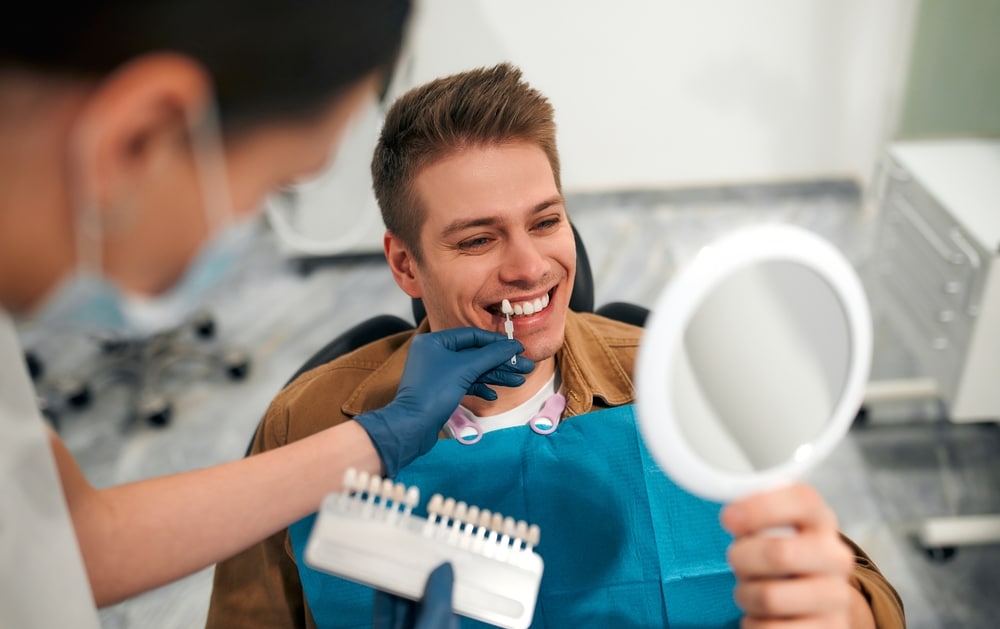
Each type of veneer material offers unique advantages, so the best choice depends on your specific needs and lifestyle.
- Your goals: If you’re aiming for the most natural, long-lasting results, porcelain veneers are usually the top choice.
- Your budget: Veneers can range widely in cost. While composite veneers are more affordable upfront, porcelain and no-prep options typically last longer and maintain their beauty over time, which can make them more cost-effective in the long run.
- Your oral health: Healthy teeth and gums are essential for a successful procedure. A thorough dental evaluation helps determine if your teeth can support veneers or if other treatments should come first.
Ultimately, the cheapest veneer option isn’t always the best value. Investing in quality materials and expert service typically means fewer repairs, a longer lifespan, and a more natural smile.
Our cosmetic dentists take the time to evaluate your bite, enamel condition, and aesthetic goals before recommending a treatment plan.
Why Choose Southeastern Dental Center for Your Veneers
Our team combines artistry, advanced technology, and years of cosmetic expertise to create results that look natural, function beautifully, and stand the test of time.
- Porcelain veneer specialists: Our dentists are properly trained and experienced in working on porcelain restorations. Each veneer is shaped and shaded with precision to complement your facial features and smile line.
- Advanced technology: We use modern digital imaging and design systems to plan every detail of your veneers. This technology allows for a perfect fit, predictable results, and a comfortable patient experience.
- Personalized treatment planning: No two smiles are alike. That’s why we tailor every treatment to your individual goals, enamel condition, and facial aesthetics.
- Premium materials: We use only the highest-quality dental porcelains and bonding materials to ensure durability, translucency, and a natural-looking finish that lasts for years.
The Final Note
Each type of dental veneers offers its own benefits, appearance, and price point. The key is finding the right balance between your smile goals, comfort, and budget.
Our experience shows that for most patients, porcelain veneers turn out to be the optimum option. They offer excellent durability and natural effects at a reasonable price.
Our cosmetic dentistry team will evaluate your oral health and prepare a personalized care plan for you so that you can transform your smile exactly how you need it and achieve stunning effects.
Schedule your consultation in Columbus or Hamilton now and benefit from our professional expertise!
FAQ
Do veneers damage your natural teeth?
When done correctly, veneers don’t harm your teeth. Your dentist removes only a very thin layer of enamel to ensure a secure fit. With expert placement and bonding, your natural tooth remains strong and protected.
Can veneers stain or discolor over time?
Porcelain veneers are highly resistant to staining, while composite ones can discolor more easily. Limiting coffee, tea, and tobacco use helps keep them bright.
Are veneers covered by dental insurance?
Most insurance plans consider veneers a cosmetic procedure and don’t cover them. However, Southeastern Dental Center offers flexible payment and financing options to make treatment more affordable.
What’s the difference between veneers and crowns?
Veneers cover only the front surface of a tooth to enhance its appearance, while crowns cover the entire tooth to restore strength and structure. Your dentist can help you decide which option best fits your needs.
Can I get veneers on just a few teeth?
Yes. Many patients choose veneers for a few visible teeth to correct chips, stains, or uneven spacing.
Related Posts
Curious About What Actually Happens During a Smile Makeover? We Can Help.
A lot of people hear the phrase “smile makeover” and immediately assume it means a long, expensive, overwhelming process. In reality, the...

Why Your Smile Looks Different in Your 40s, 50s, and Beyond — And What You Can Do About It
If you’ve looked in the mirror recently and noticed your smile looks different, you’re not alone. Many people who visit Southeastern Dental...

How Much Does A Smile Makeover Cost?
Although actual costs may vary, smile makeovers typically run somewhere between $10,000 and $30,000 (or more) for a full, comprehensive treatment. Importantly,...
How Much Does Dental Bonding Cost?
Dental bonding typically costs between $100 and $600 per tooth, making it one of the most affordable cosmetic dental treatments available. However,...
Different Types Of Dental Crowns & Cost Guide
Dental crowns are custom made protective caps that cover and strengthen damaged or weakened teeth. They restore normal function, improve appearance, and...

How Much Do Porcelain Veneers Cost?
Porcelain veneers are one of the most popular ways to transform a smile, and one of the first questions patients ask is...